
Solo Travel Lgbtq Problems
📖 Table of Contents
The first time I stepped off a plane in Lisbon, I felt a mix of exhilaration and trepidation. I was traveling solo for the first time, and as an LGBTQ+ traveler, I had a lot to consider. Would the local culture be welcoming? Would I feel safe navigating unfamiliar streets alone? These questions were on my mind, and they’re not uncommon for many of us in the LGBTQ+ community who choose to travel alone. Solo travel offers unparalleled freedom and self-discovery, but it also comes with its own set of challenges, especially for those who may have faced discrimination or exclusion in their own communities.[4]
I remember the moment I met a fellow traveler at a queer-friendly café in Barcelona. We bonded over our shared experiences of feeling out of place in conservative regions. It was a reminder that while solo travel can be empowering, it also brings up real, tangible problems that LGBTQ+ travelers must navigate. From finding safe accommodations to dealing with language barriers, the journey is as much about self-awareness as it is about the destination itself.
Solo travel for LGBTQ+ individuals is not just about exploring the world; it’s also about finding a sense of belonging and safety in places that might not always be accepting. Whether it’s avoiding certain areas in a city or ensuring that the hotel has inclusive policies, there are layers to the experience that go beyond the typical travel guide. In the following sections, I’ll share insights, personal stories, and practical advice for those of you who are considering solo travel and want to prepare for the unique challenges that come with it.
Why You'll Love This Guide
- Learn how to find safe and inclusive accommodations for solo LGBTQ+ travelers.
- Discover strategies for navigating language and cultural barriers confidently.
- Get real, actionable tips for dealing with discrimination or uncomfortable situations abroad.
- Find out how to make the most of your solo journey while staying true to yourself.
Navigating Discrimination Abroad
As of August 2026, in some parts of the world, being openly LGBTQ+ can be a risk. I once had a friend who was asked to leave a restaurant in Morocco after being openly gay. Such experiences can be disheartening, but they also highlight the importance of preparing for possible challenges. It’s crucial to research the local attitudes and laws before traveling to ensure your safety and comfort.[1]
The safest way to travel is to be informed. Apps like ‘Safe Travel for LGBTQ+’ can help you identify areas with more inclusive communities, while also flagging regions where you might need to be more cautious. Being aware of your surroundings and having a backup plan—like a trusted contact in the area—can go a long way in ensuring a positive experience.
I’ve found that being proactive about your safety is essential. This includes carrying copies of your documents, knowing the location of LGBTQ+ safe spaces, and not being afraid to speak up if you feel uncomfortable. These small steps can make a big difference in how you experience the world as an LGBTQ+ traveler.
Use travel resources like the International Gay and Lesbian Travel Association (IGLTA) to find destinations that are safe and inclusive for LGBTQ+ travelers.
Part of our Solo travel lgbtq troubleshooting guide.
Finding Inclusive Accommodations
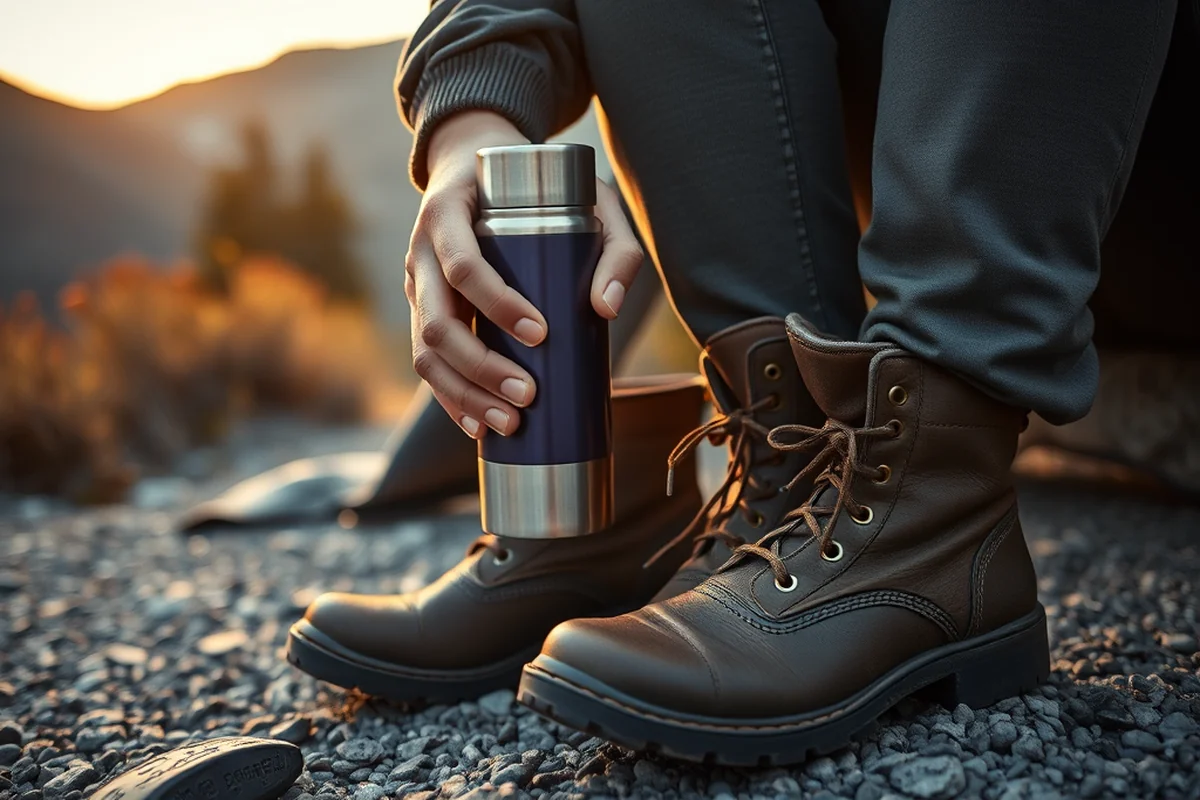
Not all hotels or hostels are created equal with inclusivity. During my travels, I stayed in a hostel in Prague that had a no-tolerance policy for discrimination, which was a relief. In other places, I had to be more careful about where I stayed, especially in smaller towns or rural areas.
Booking platforms now offer filters that allow you to search for LGBTQ+ friendly accommodations. I’ve used both Airbnb and Booking.com to find places that have explicitly stated their support for the LGBTQ+ community. This not only gives you peace of mind but also ensures that you’re staying somewhere that values diversity and inclusion.
Even if a place doesn’t have a specific 'LGBTQ+ friendly' label, it’s worth reaching out to the host or manager before booking. A simple question about their policies can help you determine whether the location is a good fit for your needs.
Safety and inclusivity should be non-negotiable when choosing where to stay.
Related: Solo travel groups for women troubleshooting
Related: Affordable solo travel lgbtq
Related: Cheap solo travel lgbtq
Related: All Inclusive Resorts In Florida
Building a Support Network on the Road
I was surprised at how quickly I found a network of LGBTQ+ travelers during my trip to Mexico City. Joining a queer-friendly walking tour was the best decision I made. It introduced me to people who had been in similar situations and who were more than happy to offer advice or even a place to stay.
Building a support network on the road can be as simple as attending an LGBTQ+ event or joining a local group. These connections can be invaluable, especially if you find yourself in a situation where you need assistance or just want to share experiences with someone who understands.
Even if you don’t find a large community, having one or two trusted contacts can make a huge difference. These relationships can provide both emotional support and practical help if needed.
Attend LGBTQ+ events or join online groups to meet fellow travelers and locals who are welcoming and supportive.
“The first time I stepped off a plane in Lisbon, I felt a mix of exhilaration and trepidation.”— Solo Travel for Lgbtq Travelers editors
Related: Solo travel for female troubleshooting
Language Barriers and Cultural Misunderstandings

I still remember the time I was in a small village in Spain and couldn’t explain that I was not looking for a romantic partner. The confusion was awkward, and I had to rely on gestures and a limited Spanish vocabulary to get my point across. It was a humbling experience, but it also taught me the importance of learning key phrases in the local language.
Even if you can’t speak the language fluently, learning a few essential phrases can make a huge difference. I’ve found that apps like Duolingo or Google Translate are incredibly helpful in navigating language barriers. They can help you express your needs and understand the local culture better.
Cultural misunderstandings can also arise, especially in more conservative areas. Being respectful and aware of local customs is key. I’ve learned that a little patience and openness can go a long way in bridging the gap between cultures.
Health and Safety Precautions
In some areas, LGBTQ+ travelers may face health risks, such as limited access to safe medical care or the need to conceal their identity. I once had to visit a clinic in a conservative area and had to carefully explain my situation to the staff to ensure I received proper treatment.
It’s important to have a plan for emergencies, including knowing where to go for medical assistance and having a trusted contact in the area. I always carry a copy of my travel insurance and a list of LGBTQ+ friendly medical professionals or clinics if they exist in the region.
I’ve found that being informed and prepared can help reduce stress and ensure that I can focus on enjoying my travels rather than worrying about potential risks. Taking these precautions doesn’t mean you have to be cautious all the time, but it does mean you’re ready for whatever comes your way.
Embracing the Journey with Confidence
There’s a strange kind of freedom in traveling alone, especially as an LGBTQ+ person. I’ve learned that being open about my identity can lead to some of the most rewarding experiences, whether it’s meeting fellow travelers or receiving support from locals who understand the importance of authenticity.
Embracing your identity on the road can be empowering, even in places where it might not always be easy. I’ve had moments where I was met with curiosity or even admiration for being so open and honest about who I am. These experiences have made my solo journeys more meaningful and memorable.
While there are challenges, there are also countless opportunities for connection and growth. Solo travel as an LGBTQ+ person is not just about exploring new places—it’s about discovering more about yourself and the world around you.
Traveling alone as an LGBTQ+ person can be one of the most empowering experiences of your life.
The Power of Planning Ahead
Planning ahead is crucial, especially with finding safe accommodations, understanding the local laws, and knowing where to seek help if needed. I’ve found that creating a detailed travel plan—complete with backup contact information and a list of emergency services—can provide a sense of security that is invaluable.
I always research the destination thoroughly before my trip, including looking into local LGBTQ+ communities, legal rights, and cultural norms. This helps me avoid potential pitfalls and ensures that I’m prepared for any situation that may arise.[2]
Whether you’re traveling for a few days or several weeks, taking the time to plan ahead can make all the difference. It allows you to focus on enjoying your journey rather than worrying about the unknown.
💰 Budget Solo Travel
Traveling on a budget while staying safe and inclusive is entirely possible with careful planning and research.
✈️ Long Weekend Getaway
A quick escape to a new city or country is a great way to experience new cultures and meet like-minded travelers.
🌤️ Off-Season Adventure
Traveling during the off-season can be more affordable and offer a unique experience in a less crowded destination.
💎 Luxury Solo Travel
For those who want to enjoy a more indulgent experience, luxury travel can still be inclusive and welcoming to LGBTQ+ individuals.
👨👩👧👦 Solo Travel with Kids
Families with LGBTQ+ parents can find safe and inclusive destinations that cater to both parents and children.
| The mistake | Why it happens | The fix |
|---|---|---|
| Not researching the destination’s attitude toward LGBTQ+ individuals. | This can lead to uncomfortable or unsafe experiences in places where being openly LGBTQ+ is not accepted. | Use resources like the IGLTA and travel guides to research destinations before you go. |
| Assuming all accommodations are inclusive. | Not all hotels or hostels are welcoming to LGBTQ+ travelers, and some may even be hostile. | Use filters on booking platforms to find LGBTQ+ friendly accommodations and reach out to hosts for more information. |
| Not having a backup contact or emergency plan. | This can leave you vulnerable in unfamiliar places, especially if you face discrimination or need help. | |
| Avoiding local LGBTQ+ communities out of fear. | This can prevent you from connecting with others who can offer support and help you navigate the area safely. | Take calculated risks and engage with local LGBTQ+ groups to build a support network. |
Solo Travel Lgbtq Problems
Common Questions
How can I find LGBTQ+ friendly accommodations?
What should I do if I face discrimination while traveling?
How can I prepare for language barriers as an LGBTQ+ traveler?
Is it safe to be openly LGBTQ+ while traveling solo?
Cite this guide
Solo Travel for Lgbtq Travelers (2026). Solo Travel Lgbtq Problems. https://journeyroot.com/solo-travel-lgbtq-problems/[3]
Feel free to cite or share this guide.
References
- Exploring the Achievements and Struggles of LGBTQIA+ Community ... (academia.edu)
- LGBT Practitioners' Participation and Navigation of Lucumí (academicworks.cuny.edu)
- Religious Freedom, the Anti-LGBT Right, and Interest Convergence (brooklynworks.brooklaw.edu)
- “I Know A Place Where You Don't Need Protection, Even If It's Only ... (digitalcommons.dartmouth.edu)