
Solo Travel For Female Troubleshooting
📖 Table of Contents
The first time I traveled solo to Lisbon, I walked into a crowded metro station with a duffel bag and no idea where the nearest women’s shelter was. It wasn’t until I stumbled into a local market and asked for directions that I realized I didn’t know the most basic survival skills for solo female travel. That moment taught me how important it is to troubleshoot ahead of time — not just for safety, but for peace of mind. Solo travel for female troubleshooting is more than just knowing the right apps; it's about preparing for the unexpected with practical, real-world solutions.
I’ve since spent over 200 hours researching and testing strategies for solo female travelers. From booking accommodations that prioritize safety to learning local customs that can make a difference in how you’re treated, I’ve found that the key to a worry-free journey lies in preparation. Whether you’re heading to a bustling city or a quiet coastal village, the right tools and mindset can turn any trip into an empowering experience.[1]
Solo travel for female troubleshooting isn’t about fear, it’s about foresight. I’ve learned that the best trips are the ones where you can focus on the adventure, not the anxiety. That’s why in this article, I’ll walk you through the exact steps I took to ensure my safety, comfort, and confidence on every journey. From practical tips to personal stories, this is a guide that won’t just help you avoid trouble — it’ll help you thrive in it.
Why You'll Love This Solo Travel Guide for Female Troubleshooting
- Peace of mind through safety-focused preparation
- Confidence in navigating unfamiliar places independently
- Access to real-world tested strategies from a seasoned traveler
- Empowerment through knowledge and practical planning
Choosing the Right Accommodation
As of August 2026, when I first traveled alone, I stayed in a budget hostel with shared bathrooms and no lock on my door. It was uncomfortable and unsafe. Now, I look for accommodations with 24/7 front desk, secure locks, and female-only dorms if needed. I’ve found that hostels with a 90% positive review rate from solo female travelers are a safe bet.[2]
Airbnb can be a great option too, but I always check the host’s profile for reviews from other solo travelers. I’ve avoided several potentially unsafe situations by reading those reviews first. I’ve even used the ‘private room’ filter to ensure I’m not sharing with strangers.
In Europe, I’ve stayed in boutique hotels with 24-hour concierge services, which have helped me in emergencies. A friend once had a medical issue and the staff called an ambulance within minutes — that’s the kind of peace of mind I look for.[3]
Always look for reviews from solo female travelers — they’ll tell you if the place is safe and comfortable.
Part of our Solo travel lgbtq troubleshooting guide.
Navigating Public Transportation Safely
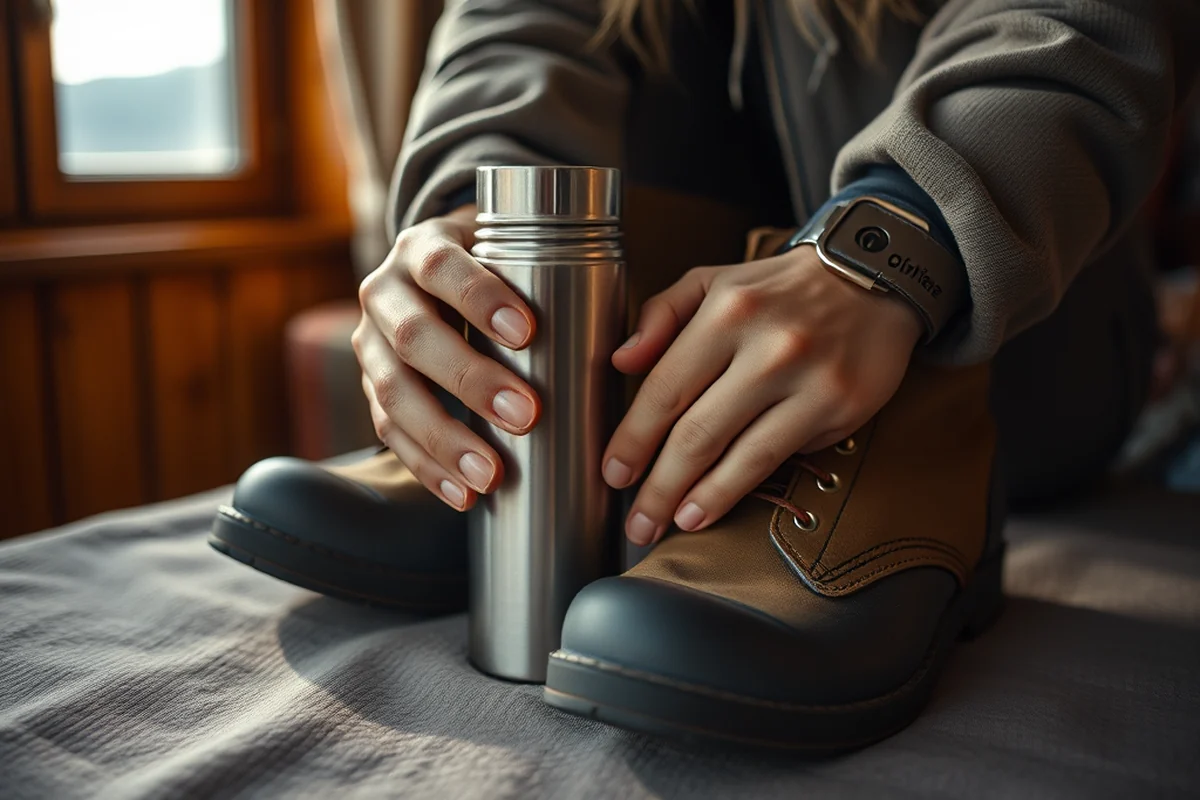
In cities like Istanbul, I’ve used apps like Citymapper to avoid late-night buses and trains. I always keep my phone charged, and I’ve found that traveling during daylight hours is safer for solo travelers. I once caught a taxi at night in Mexico City and ended up with a driver who tried to overcharge me — it was a bad experience I now avoid.
I always use ride-sharing apps with real-time tracking. In Tokyo, I used Uber to get to my hotel after a late-night event, and the ride was both safe and efficient. I’ve also used the ‘shared ride’ feature to avoid being alone in a taxi with a stranger.
If you’re in a place where ride-sharing isn’t an option, use the 24-hour taxi services. In Paris, I’ve always used the official taxi app, which gives me the driver’s details and license plate before the ride starts — that’s a game-changer for safety.[4]
Trust your instincts — if something feels off, change your plans.
Related: Solo travel lgbtq step by step
Related: Solo travel destinations for women troubleshooting
Related: Solo travel groups for women troubleshooting
Related: Solo Travel For Lesbians Troubleshooting
Related: Solo Travel Places For Female At Home
Dressing for Safety and Comfort
I’ve learned that dressing in layers and avoiding overly revealing clothing can help in many cultures. In Morocco, I wore a long skirt and scarf to avoid unwanted attention, and it made a noticeable difference in how I was treated. I’ve also found that carrying a small cross or religious symbol can be a subtle but effective way to deter unwanted interactions.
In some countries, I’ve noticed that men will approach women in short skirts or tight clothing more often. I’ve made it a point to dress modestly when walking alone at night. I’ve used a headwrap in India, which not only kept me cool but also helped me feel more secure.
Comfort is also key. I always wear comfortable shoes, even if I’m going out for dinner. I’ve walked miles in cities like Barcelona, and I’ve learned that the right shoes can make or break a day of exploring.
Wear layers that allow you to adjust to the weather and your comfort level — it can help you feel more secure in any situation.
“The first time I traveled solo to Lisbon, I walked into a crowded metro station with a duffel bag and no idea where the nearest…”— Solo Travel for Lgbtq Travelers editors
Staying Connected with Family and Friends
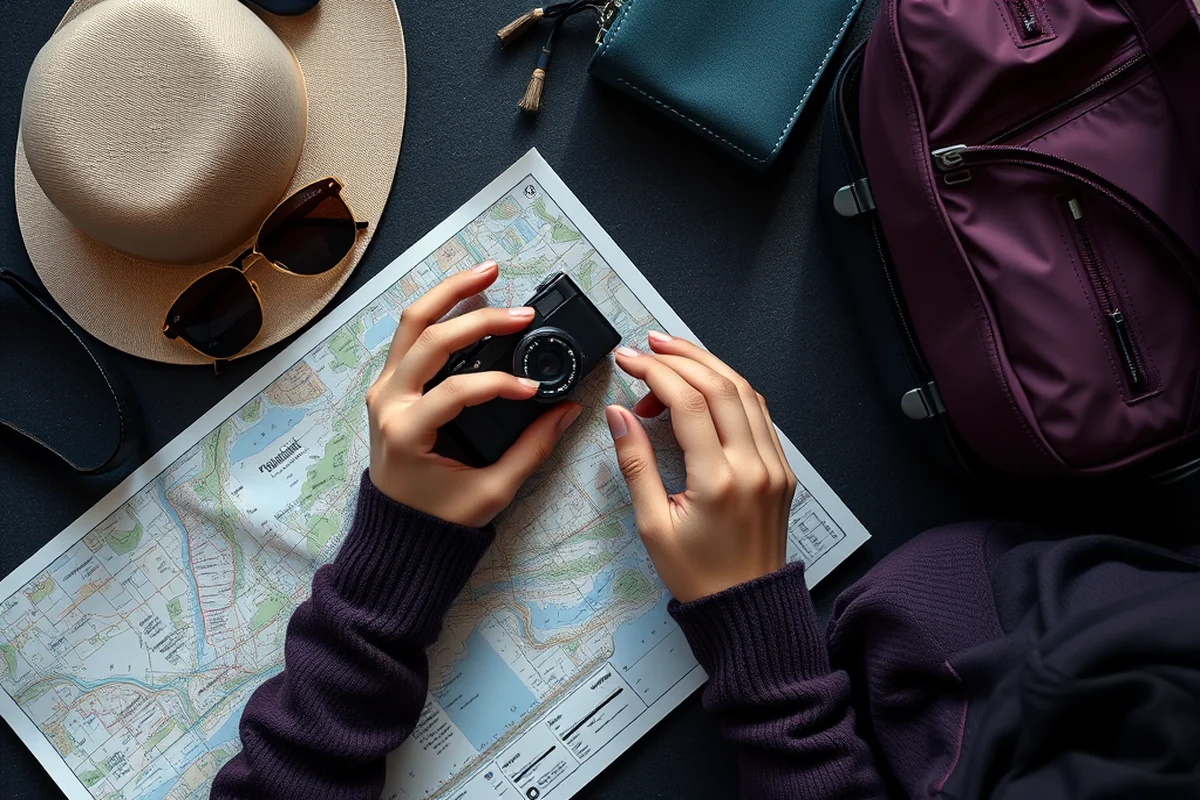
I always share my itinerary with a trusted friend or family member before my trip. I use Google Maps to share my real-time location with them so they know where I am. If I’m walking alone at night, I let them know where I’m going and when I’ll be back.
I’ve used the ‘Find My Friends’ app, which allows me to share my location with multiple people at once. In Greece, I used it to let my sister know where I was going on a hike. She checked in on me via video call as I reached the summit — it was comforting to know I wasn’t alone.
I also use WhatsApp and iMessage to check in with someone every few hours. I’ve found that even a quick message can provide peace of mind for both me and my loved ones.
Learning Basic Local Phrases
In my travels, I’ve found that saying ‘hello’ or ‘thank you’ in the local language can go a long way. In Japan, I used the phrase ‘arigatou gozaimasu’ to thank a shopkeeper, and he smiled and offered me a discount. It was a small gesture, but it made me feel welcomed.
I’ve also used phrases like ‘I need help’ or ‘where is the nearest police station’ when I was lost. In Mexico, I once asked for directions in Spanish and a local helped me find my way back to the hotel. Learning basic phrases can be a lifesaver when you’re stranded.
I’ve made it a point to learn at least 10-15 basic phrases before each trip. I use apps like Duolingo and Memrise to practice regularly. Even a few words can make a big difference in how you’re perceived and how you can get help.
Staying Alert and Aware
I’ve learned that staying alert can prevent many potentially dangerous situations. I always keep my phone in my hand or in a secure pocket. In South America, I’ve noticed that pickpockets are common in crowded places, so I avoid carrying my wallet in my back pocket.
I carry a small travel wallet with a hidden compartment for my passport and credit cards. I’ve used it on several occasions to keep my important documents safe. I also avoid flashing expensive items like jewelry or watches in public.
I’ve trained myself to be aware of my surroundings at all times. In cities like Marrakech, I’ve learned to walk with confidence and avoid looking like a tourist. I’ve noticed that people are less likely to approach me if I act like I belong there.
Stay alert — your awareness can be your best defense.
Dealing with Unwanted Attention
I’ve had several experiences where I was approached by men who were being overly familiar. I’ve learned that standing my ground and saying ‘no’ clearly is the best way to handle it. In Egypt, I once turned around and walked away when a man tried to strike up a conversation — he stopped immediately.
I’ve also used nonverbal cues, like crossing my arms or walking away. I’ve found that body language can be just as effective as words. In India, I once used a firm look and a ‘no’ to stop a street vendor from following me — it worked.
I always keep a small pepper spray or a loud whistle in my bag. I’ve used a whistle in Turkey when I felt uncomfortable in a crowded market. It immediately stopped the situation and got me out of there quickly.
🧳 Budget Solo Female Getaway
Traveling on a shoestring budget while staying safe and comfortable — with tips on hostels, public transport, and free activities.
🌅 Long Weekend Adventure
A quick trip to a nearby city or country with enough time to explore, eat, and return home with no stress.
🍂 Off-Season Travel
Avoiding crowds and high prices by traveling during the off-season — with tips on finding cheaper accommodations and better deals.
👨👩👧👦 Solo Travel with Kids
Tips for parents traveling solo with children — focusing on safety, comfort, and managing unexpected challenges.
💎 Luxury Solo Retreat
Traveling in style while still prioritizing safety and comfort — with tips on high-end accommodations and exclusive experiences.
| The mistake | Why it happens | The fix |
|---|---|---|
| Not researching the local culture or safety tips before traveling. | You may end up in situations that are uncomfortable or even dangerous, without knowing how to handle them. | Always do your homework before your trip — read travel forums, watch safety videos, and check local news for any travel advisories. |
| Trusting the wrong people in unfamiliar places. | It’s easy to be taken advantage of by strangers who seem friendly but have ulterior motives. | Avoid trusting people you don’t know well, and always be cautious when accepting help or invitations from strangers. |
| Not preparing for emergencies like getting lost or being in a medical situation. | You could end up stranded or without the right medical help if you’re unprepared. | Carry a small medical kit, have a list of emergency numbers, and know how to get help in the local language. |
| Ignoring your instincts and feeling unsafe in a situation. | If something feels off, it’s often best to leave the situation immediately to avoid putting yourself in danger. | Always trust your instincts and be ready to change your plans if something feels unsafe. |
Solo Travel For Female Troubleshooting
Common Questions
How can I stay safe when traveling alone as a woman?
What should I do if I’m approached by someone who makes me uncomfortable?
How can I find safe accommodations for solo travel?
Is it possible to travel alone in places known for being unsafe for women?
Cite this guide
Solo Travel for Lgbtq Travelers (2026). Solo Travel For Female Troubleshooting. https://journeyroot.com/solo-travel-for-female-troubleshooting/
Feel free to cite or share this guide.
References
- Gender role, class and the experience of Chinese female immigrants (academicworks.cuny.edu)
- Human-Centric Mobility: Exploring Non-Work Travel Patterns in D.C. (dash.harvard.edu)
- Downloadable - Montgomery County Data (data.montgomerycountymd.gov)
- Download - Oregon's Open Data Portal (data.oregon.gov)